Frequently asked questions (FAQ)
How does a dating pattern develop?
A dating pattern develops from a combination of early childhood programming, attachment experiences with your parents, and repeated relationship dynamics in adulthood. Your brain stores these experiences as neural pathways and, when dating, defaults to what is familiar, even if it's painful. Your first relationship experiences with caregivers form a kind of blueprint that your brain later uses to evaluate potential partners.
Can you change your attachment style?
Yes, you can change your attachment style; it's not set in stone. Through conscious work on your patterns, therapy or coaching, and new, corrective relationship experiences, you can develop your attachment style towards a more secure one. This takes time and patience, as many singles change their attachment style over the course of their lives, usually through intensive therapeutic work or very positive relationship experiences.
Why do I always attract the wrong people?
The feeling that you always attract the wrong people comes from the fact that you are unconsciously selecting them, rather than actively attracting them. Your brain recognises familiar patterns like emotional unavailability or fear of commitment and interprets this familiarity as attraction. It's not a conscious choice, but it's one you can change by becoming more aware. In reality, you are filtering out many potential partners to find the ones who fit your unconscious patterns.
What is 'dating against type'?
'Dating against type' is a method where you intentionally date singles who don't fit your usual pattern. If you're normally drawn to drama and excitement, you deliberately date calm, reliable people. The goal is to create new neural pathways and learn to see security as attractive. This method is derived from behavioural therapy and is based on the principle of counter-conditioning.
How do I spot red flags on a first date?
You can spot red flags on a first date by looking for specific warning signs like constant talk about ex-partners, boundary violations, or excessive 'love bombing'. Also, pay attention to inconsistencies in their life story or aggressive reactions to rejection. If your gut feeling is sounding the alarm, you should listen to it. Other warning signs include a lack of empathy, blaming others for all their problems, pushing for intimacy too quickly, or pressuring you into decisions.
Why do healthy partners feel boring?
Healthy partners might feel boring to you because your nervous system is accustomed to drama and emotional rollercoasters, and it mistakenly interprets stability as a lack of chemistry. Your system is trained to react to stress, and healthy partners don't activate this alarm system. However, true attraction grows from safety, not adrenaline. Neurologically, the dopamine-cortisol cocktail that your brain has learned to identify as 'being in love' is missing.
How long does it take to change a dating pattern?
The time it takes to change a dating pattern varies from person to person, but you should expect at least three to six months of conscious effort. New neural pathways need time and repetition to become established. A 90-day 'dating against type' approach can be a good starting point, but real change is often a longer process. For deeply ingrained patterns, it can take significantly longer to establish a new habit.
Can dating apps help with changing my pattern?
Yes, dating apps can help you change your pattern if you use them consciously and strategically. Choose platforms that align with your values and use your profile as a targeted filter, not as a tool to please everyone. Also, set clear limits on your swiping time to avoid burnout. Certain tools can also help you recognise patterns in your chats and identify toxic dynamics early on.

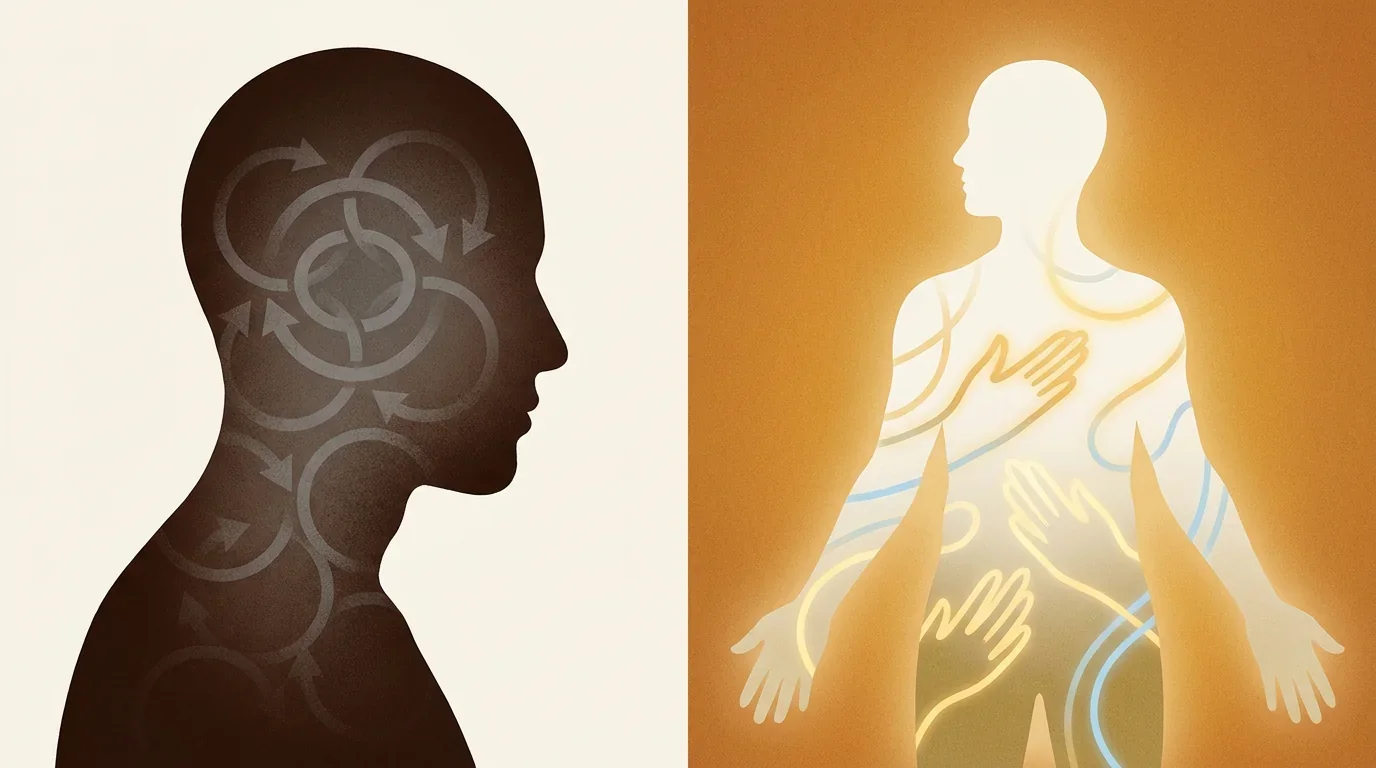
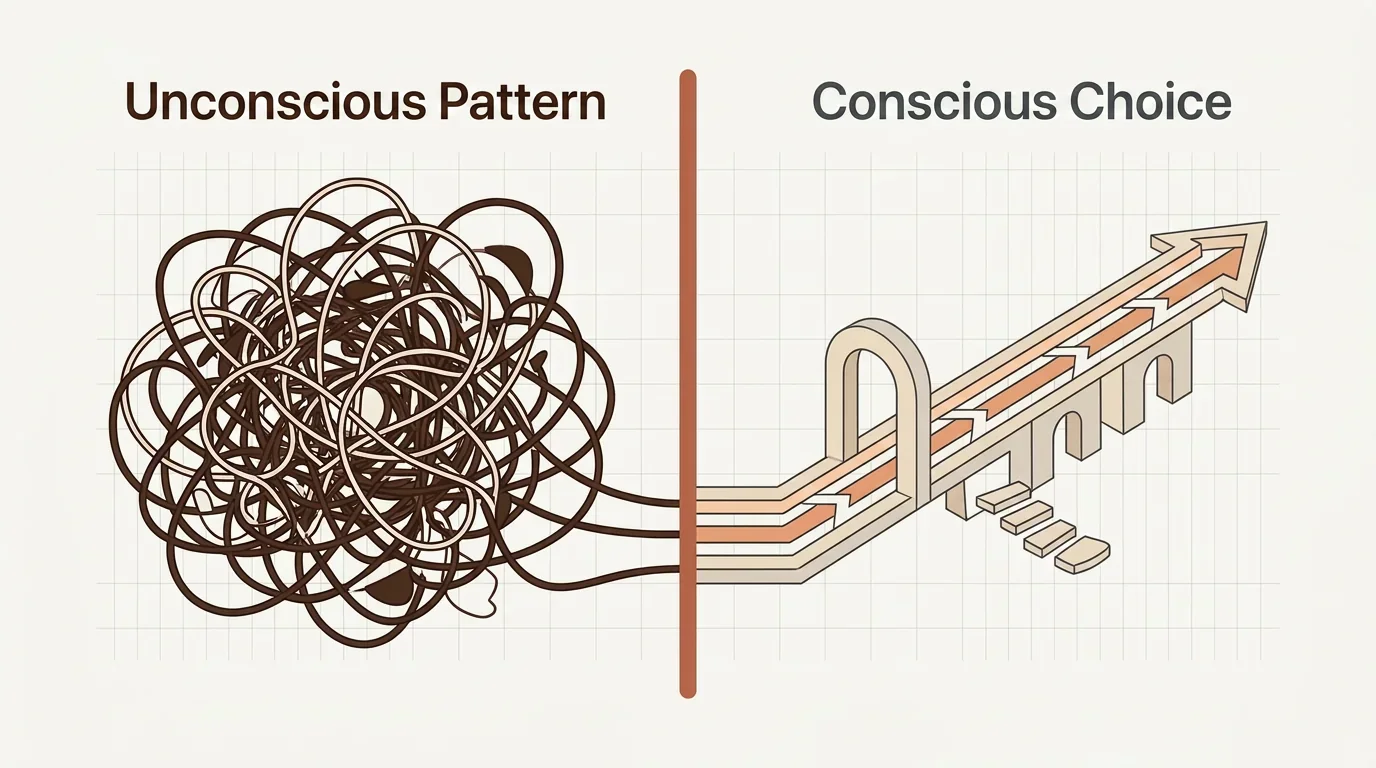 Breaking old dating patterns begins with realising that attraction isn't fate, but
 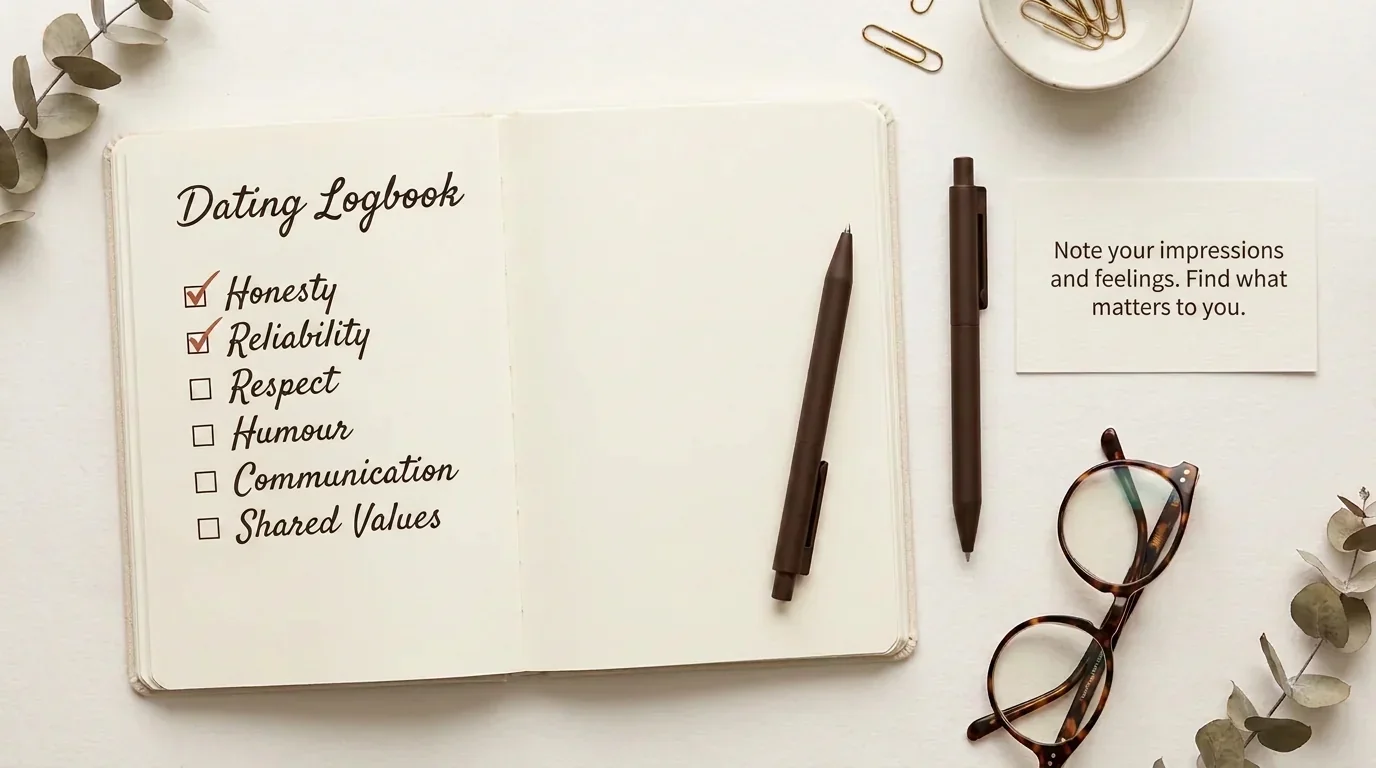 A dating logbook helps you to reflect on your emotional reactions objectively and ensures you don't fall back into old behaviours.