Frequently Asked Questions (FAQ)
What does online dating do to your mental health?
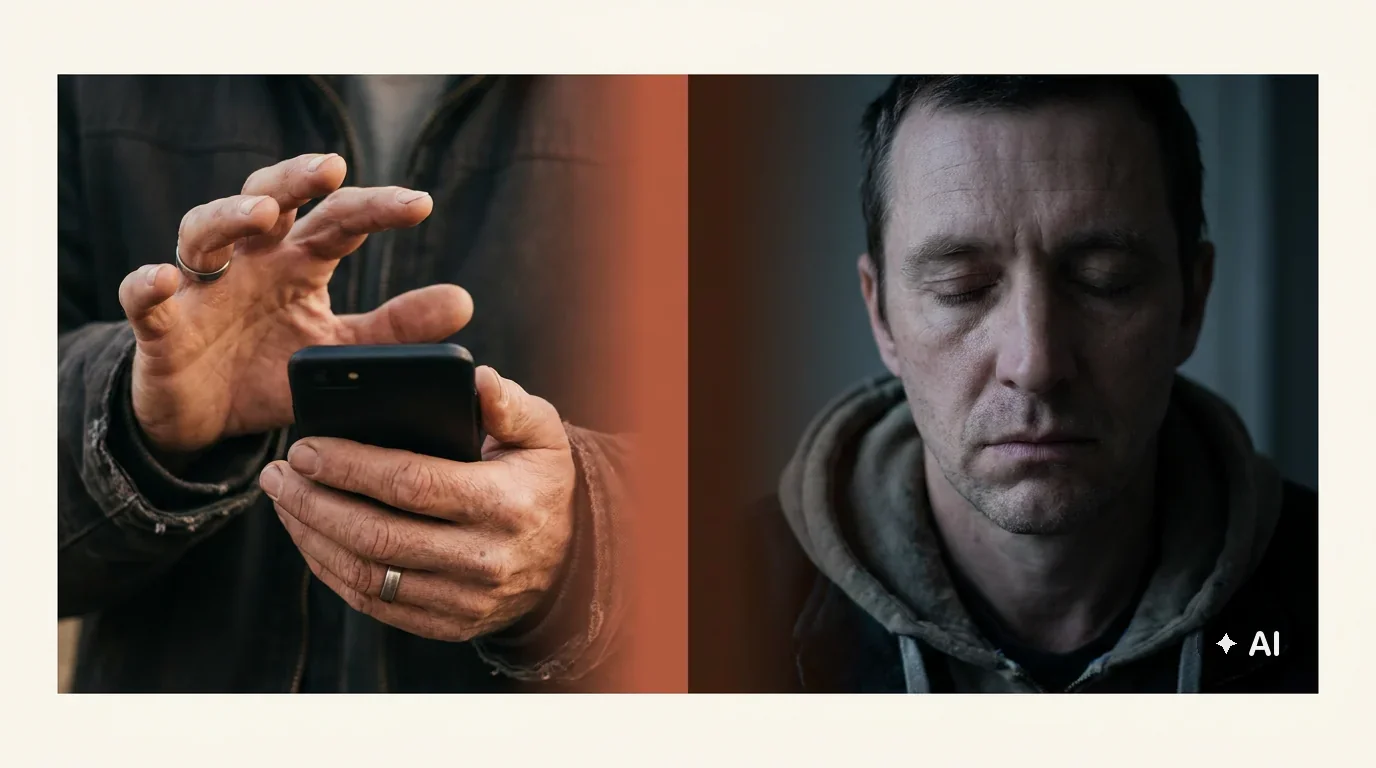
Online dating affects your mental health by activating your brain's reward system with dopamine hits from matches. At the same time, digital rejection triggers the same pain responses in you as physical rejection. The constant availability of options often leads to decision paralysis and a feeling of being interchangeable. Neurological studies show that your brain processes social rejection in the same regions as physical pain.
Why don't I feel like dating anymore?
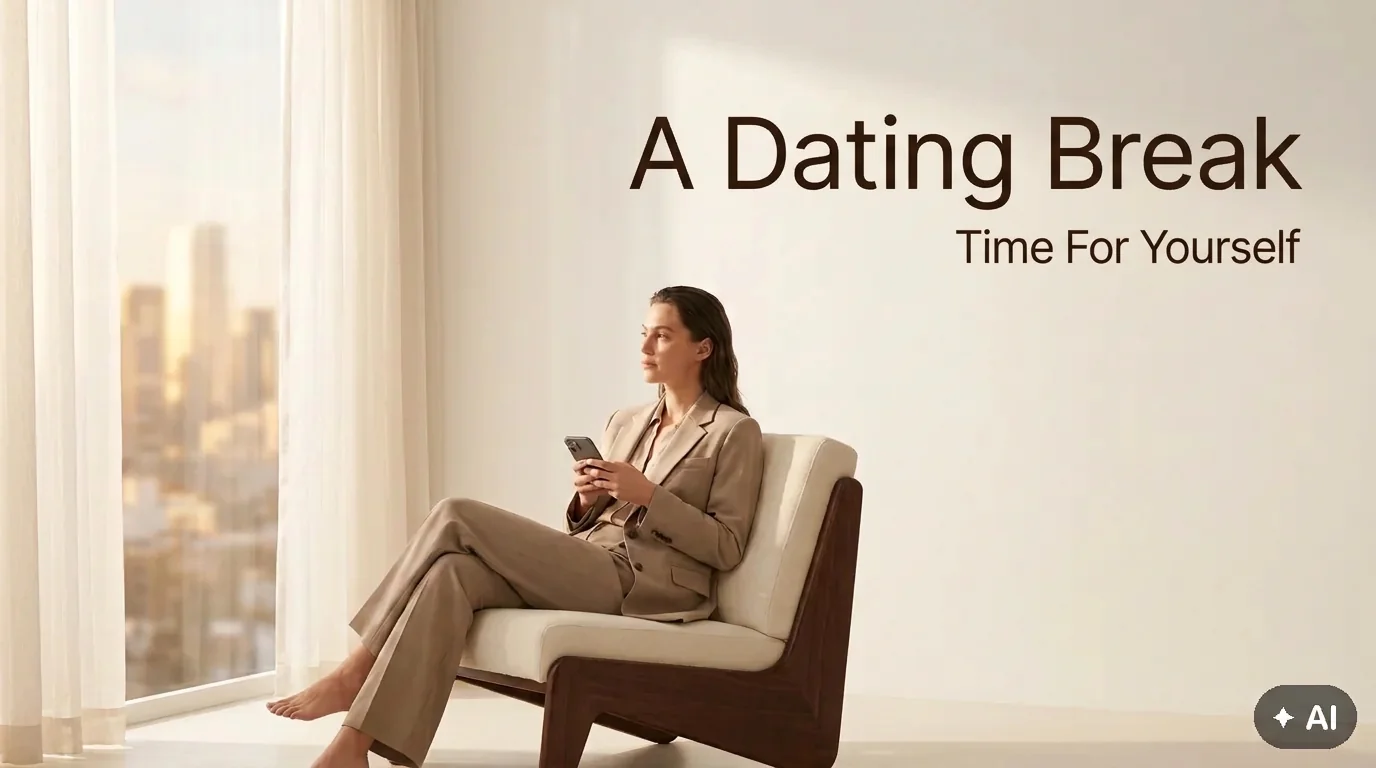
Not feeling like dating anymore is often a clear sign of dating burnout. Warning signs include cynicism, emotional numbness, and a physical lack of enthusiasm. It's your brain's way of trying to protect itself from further disappointment. In this case, taking a break isn't a weakness, it's absolutely necessary. After a conscious break of at least four weeks, your motivation will usually return on its own.
How can you prevent burnout from dating apps?
You can prevent burnout from dating apps by setting clear boundaries. Limiting your app usage to 20 minutes a day, using the 3-3-3 rule for decisions, and switching to quality-focused dating sites can all help. Pay close attention to your emotional balance and take breaks before the exhaustion becomes chronic. You should also introduce fixed phone-free periods, for example, after 9 pm.
What is the 3-3-3 rule in dating?
The 3-3-3 rule in dating is a method that suggests: wait for 3 dates before making a judgement, get to know the other person properly for 3 weeks, and give yourselves 3 months before deciding on exclusivity. This rule slows down the process and protects you from making hasty decisions. A structure like this can significantly reduce disappointment and lead to more realistic expectations.
Are dating apps really suitable for singles over 40?
Whether dating apps are suitable for you as a single over 40 depends heavily on the type of platform. If you're looking for a serious relationship, swipe-based apps like Tinder or Bumble are often not ideal. Platforms like eHarmony, Match.com, or specialist sites like Ourtime, which focus on personality matching and commitment, are a better fit. Incidentally, the drop-off rate for swipe-based apps in this age group is twice as high as for matching platforms.
How do I know if I need a dating break?
You'll know you need a dating break by looking out for clear warning signs. If opening the app makes you feel uneasy, new matches leave you cold, or you react cynically to profiles, it's time for a time-out. Physical exhaustion and the feeling that dating has become a chore are also clear indicators. If you experience three or more of these symptoms for over two weeks, it's a strong sign of dating burnout.
Can online dating work without the frustration?
Online dating can work for you without the frustration if you approach it mindfully and set clear boundaries. The key is to choose quality-focused platforms and keep your expectations realistic. Approaches like slow dating, firm rules, and self-care make the difference between a draining experience and an enriching one. If you see dating as a supplement to your life, not the centre of it, you'll experience far less frustration.
How should I deal with ghosting and breadcrumbing?
The best way to deal with ghosting and breadcrumbing is to realise that it has nothing to do with your worth and everything to do with the culture of the apps. Set clear boundaries for yourself: if someone doesn't reply, they don't get a second chance from you. Only invest your energy in people who reciprocate it. For context: ghosting is three times more common on swipe-based apps than on paid matching platforms.
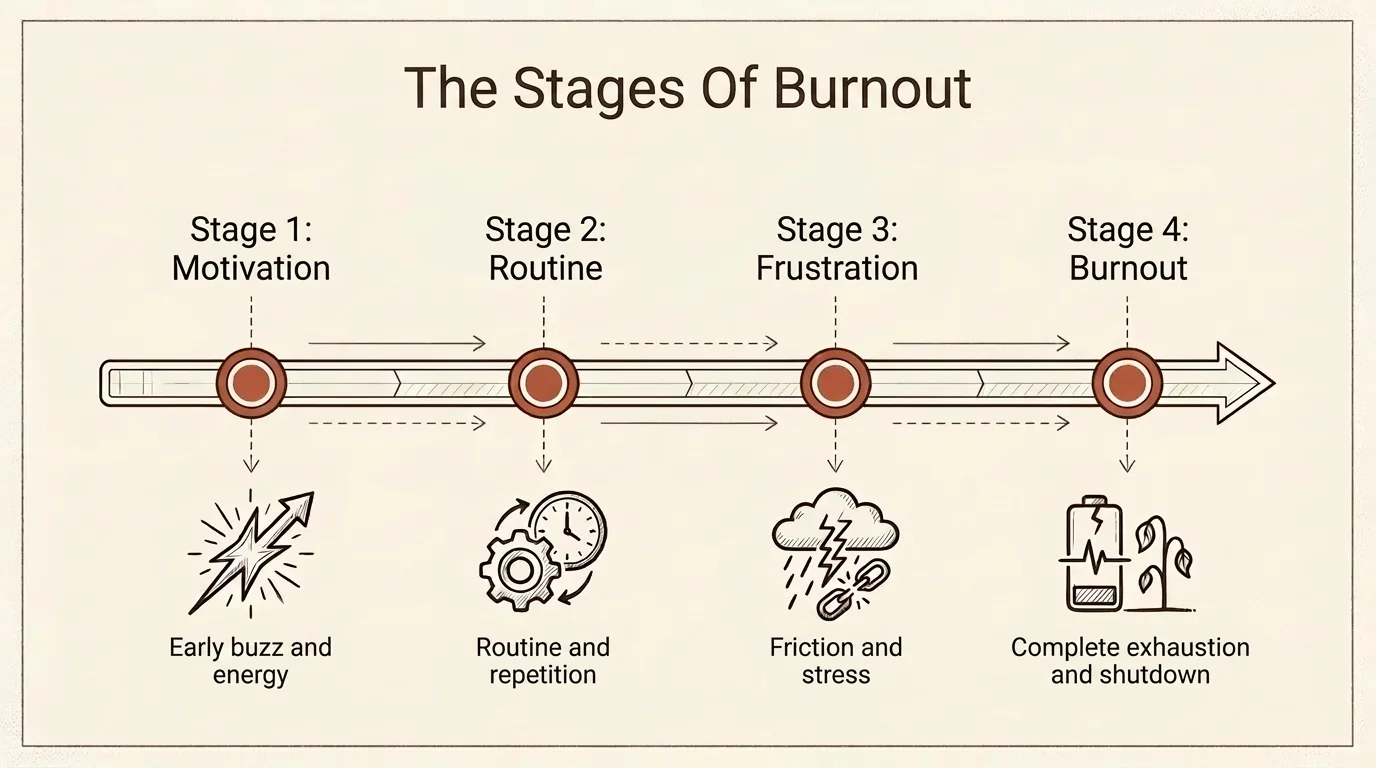 From initial enthusiasm to total exhaustion: recognising the different stages is the first step towards recovery.
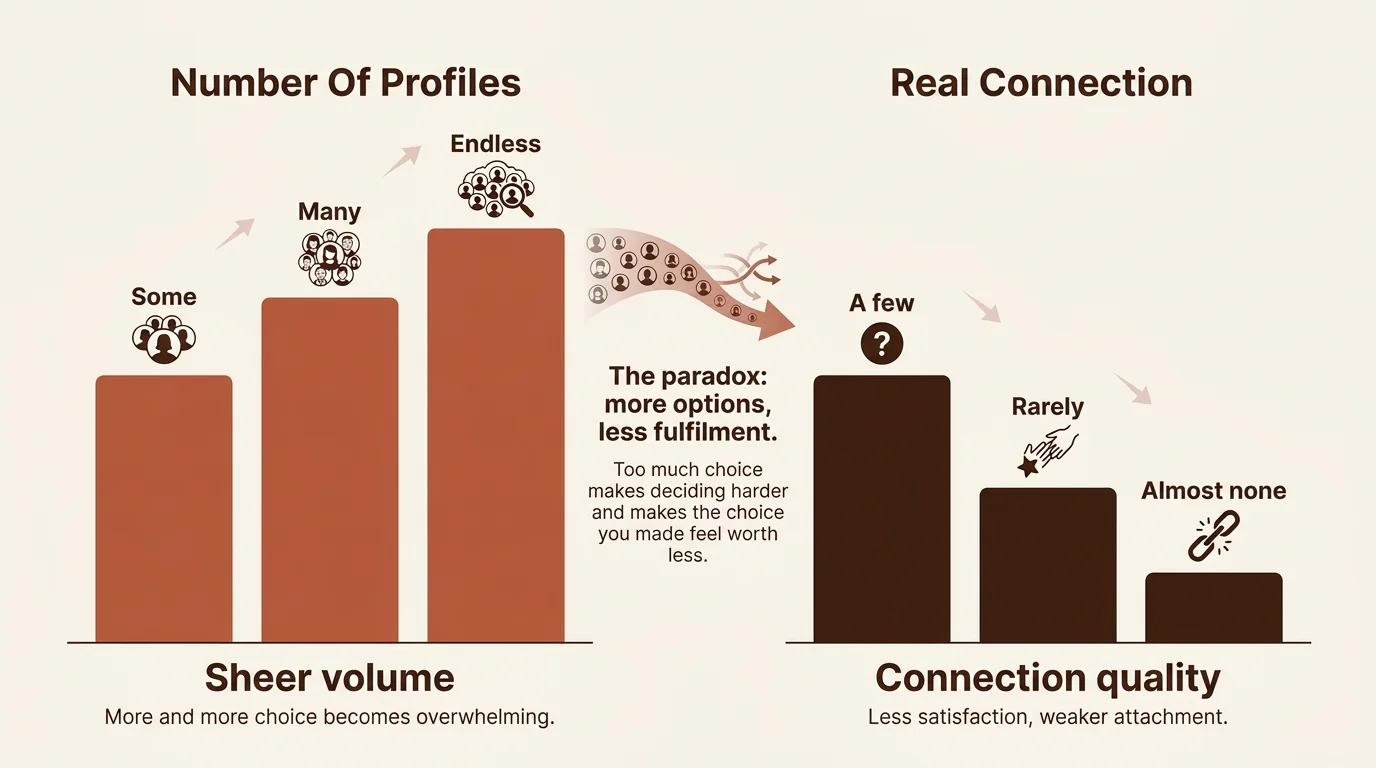 The paradox of choice: a large number of available profiles often leads to a lower quality of emotional connection and quicker exhaustion.
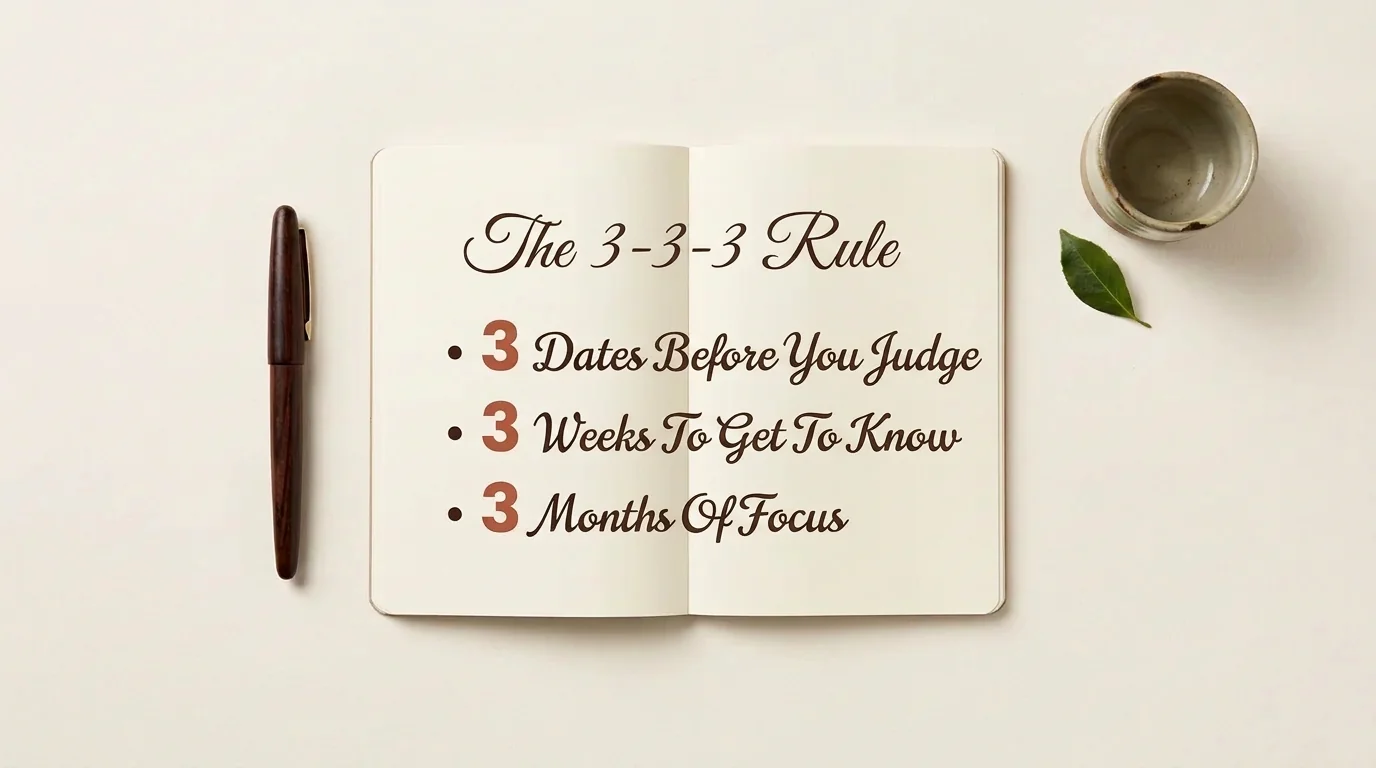 Structure for your dating routine: the 3-3-3 rule helps you slow down the pace and make decisions with more clarity and less pressure.