Frequently Asked Questions (FAQ)
Do I have to send a rejection message to everyone I've exchanged a few messages with?
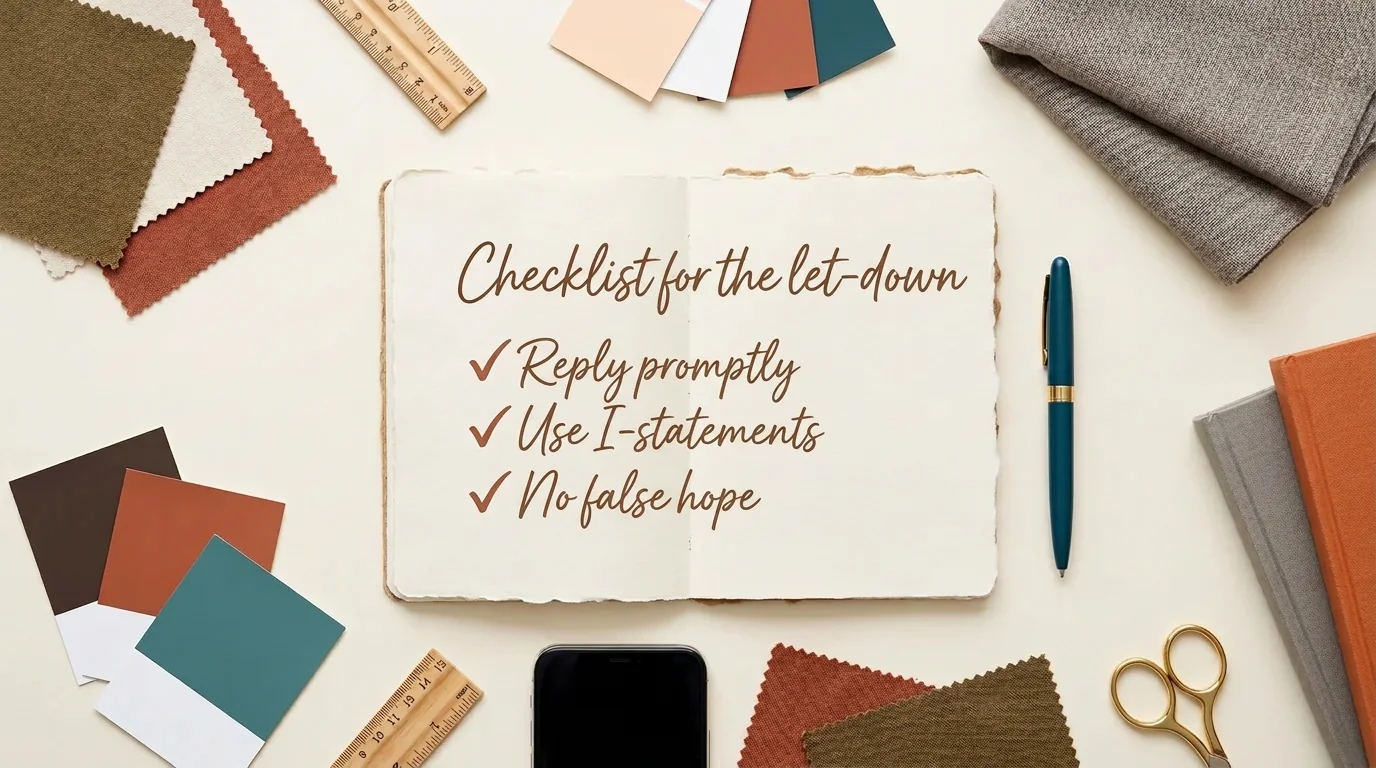
You don't have to send a rejection to everyone you've exchanged a few messages with, especially for very short chats of one or two messages. However, once a real conversation has started, a brief rejection is more considerate. As a rule of thumb, once the other person has asked you a personal question or you've been chatting for several days, send a short rejection instead of just disappearing.
Is ghosting really that bad?
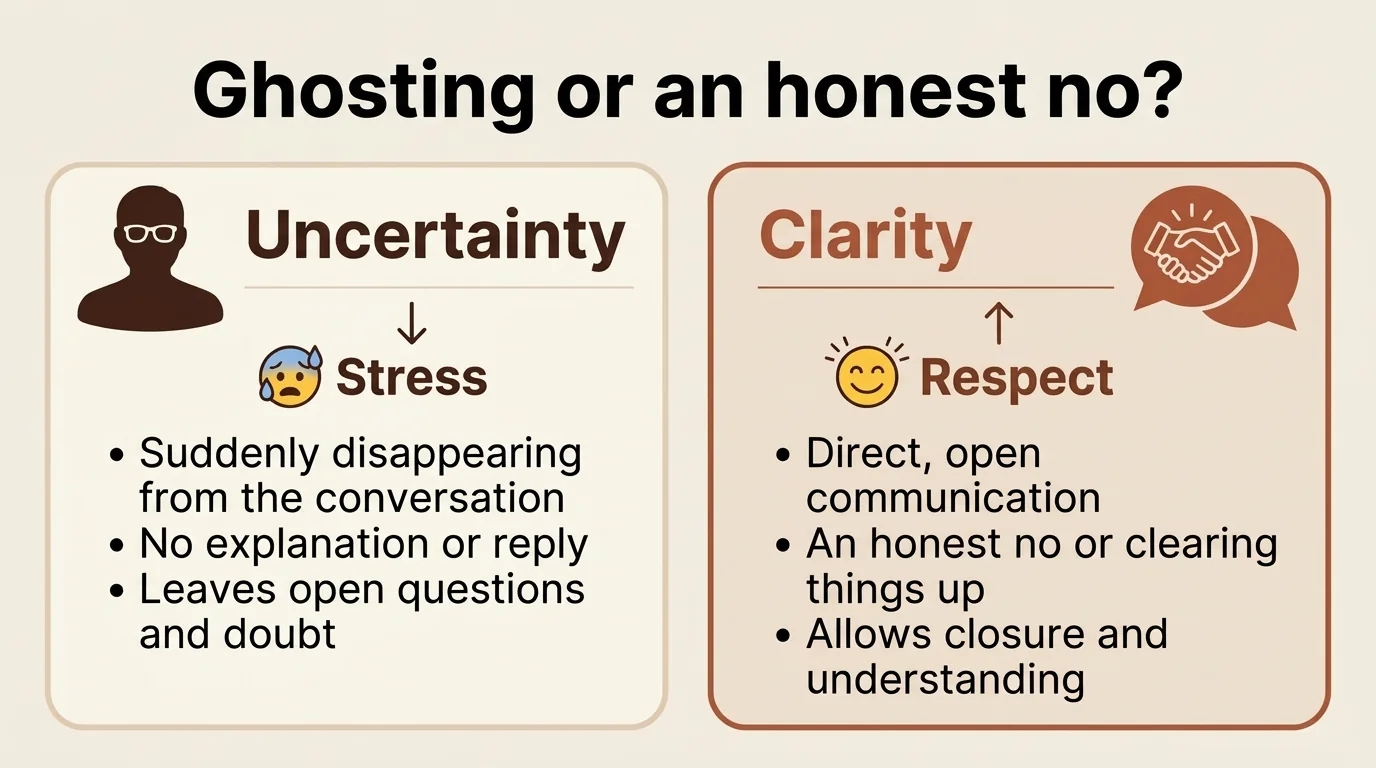
Ghosting is hard on many singles, because it leaves unanswered questions and can damage self-esteem. A short, honest rejection gives the other person clear closure and shows respect. Many find it easier to process a clear rejection than days of uncertainty. Even if the disappointment is the same, recovery is often easier.
How soon should I send a rejection after realising it's not a match?
You should send a rejection as soon as you realise it's not a match. The longer you wait, the more the other person invests emotionally in the connection. As a guide, not a strict rule: in a chat, it's best to say no in your next reply rather than letting it fade; after a date, let them know the next day. The sooner you do it, the less hope has a chance to build.
What if I'm afraid of hurting the other person?
It's understandable to be afraid of hurting someone, but in the long run, clarity is less painful than uncertainty. An honest rejection gives the other person a chance to process the situation and move on. Ghosting or stringing them along only prolongs the pain, which is why the brief disappointment of a rejection is healthier than the long-term uncertainty of waiting.
Should I call or text to say no after a date?
You can either call or text to say no after a date; both are fine. Some singles appreciate a short phone call because it feels more personal, but a polite message is also perfectly acceptable if you feel more comfortable with that. What matters most is the clarity and timeliness of your message, not the medium.
How should I handle it if the person reacts with insults?
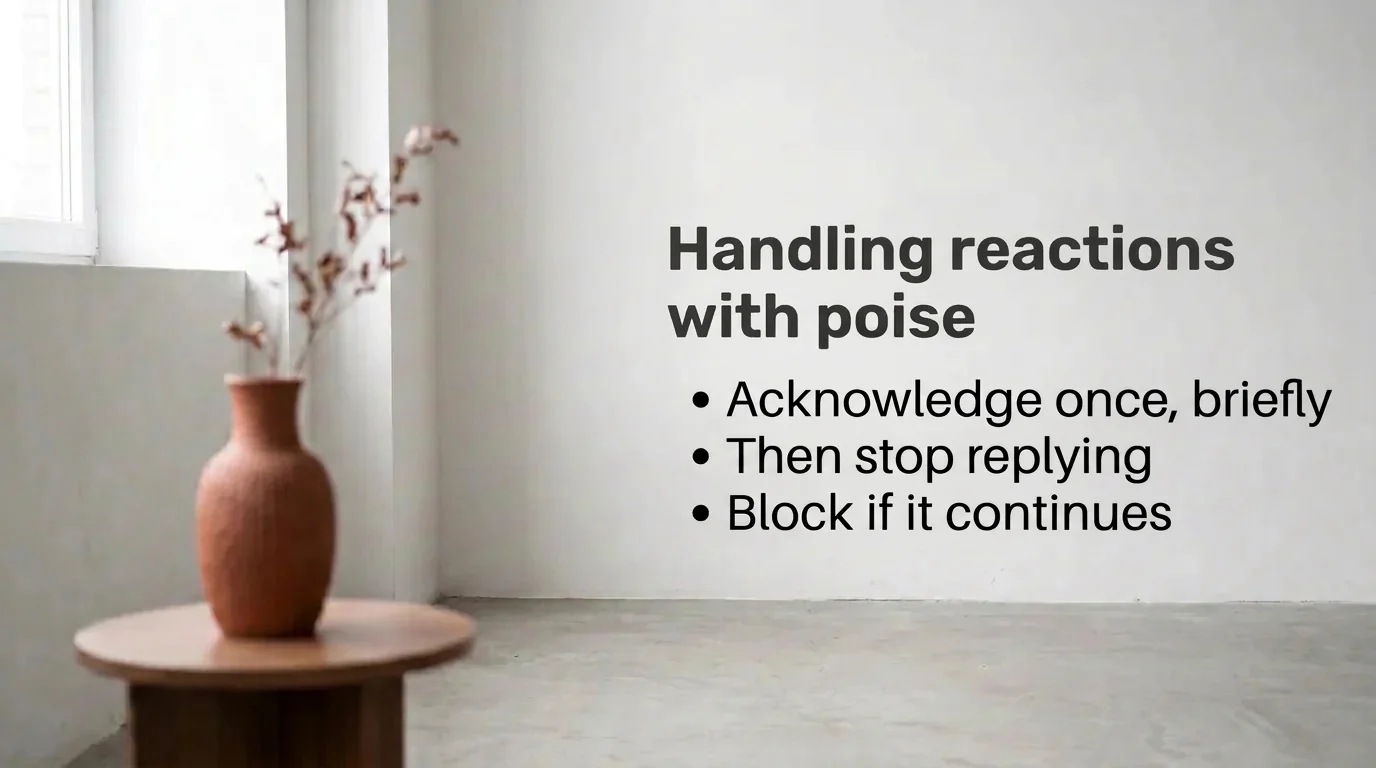
Don't reply to insults and don't justify yourself. You are well within your rights to block them straight away, as your boundaries matter more. A reaction like that often confirms that ending things was the right call.
Is it okay to just block someone without saying anything?
Blocking someone without saying anything is okay once they become pushy, disrespectful or threatening. In such cases, blocking is a form of self-protection, and you don't owe an explanation to anyone who doesn't respect your boundaries. Even after a polite rejection that isn't accepted, blocking without further warning is completely legitimate.
What if I see the person again later (e.g., in a small town)?
Even if you might see the person again later, for example in a small town, that doesn't change the need for a clear rejection. In fact, an honest rejection makes a future encounter less awkward than ghosting, as there are no unanswered questions hanging in the air. You can greet the person politely, because they know where they stand.
Should I give specific reasons?
It's usually better not to give specific reasons, as they often invite debate or can be unnecessarily hurtful. General phrases like "I don't think the chemistry is right" or "I believe we're looking for different things" are honest without being a personal attack. They provide clarity without offering an opening for further negotiation.
What if I'm not sure and want to give it another chance?
If you're not sure and want to give it another chance, you should do so, but set a clear boundary for yourself. For example, decide to make a final decision after the next date or after another week of chatting. Endlessly stringing someone along out of indecision is unfair to them. If you're still unsure after this deliberate "trial period," the answer is usually no.
What if the other person asks, 'Why?'
If the other person asks "Why?", you don't owe them a detailed explanation. A short, polite reply is enough: "I just realised it wasn't the right fit for me." If the person keeps pressing, you are free to stop replying or to block them. Your feelings don't require justification. "It's not a match" is reason enough.