Frequently Asked Questions
What if we earn very different incomes?
Talk about it openly and without embarrassment. The person who earns more can happily cover a bit more, as long as it feels like a gift and not a duty, and the other person can return the gesture in their own way, with a coffee or a walk and a picnic. What matters is that both of you feel comfortable, not that the amounts match.
Is it rude to split the bill?
No, it’s not rude to split the bill. Going Dutch is completely normal in modern dating – it shows mutual respect and financial independence. The only thing that’s rude is failing to mention your expectations, which can put the other person in an awkward position. Being clear about it before or during the date helps avoid any misunderstandings.
What should I do if my date doesn’t offer to pay?
It depends on who invited whom. If you invited your date, it’s normal for them to assume you’ll pay, though a friendly offer to split is always welcome. If your date invited you and neither pays nor offers anything, it’s worth noticing, but one moment alone says little. Bring it up kindly and see how they respond.
Should I offer to pay on a first date?
It’s a good idea to offer, at least to split the bill, especially if you didn’t do the inviting. If you were the one who invited, expect to pay. Either way, say it openly and kindly, and accept a polite “no” gracefully.
How should I react if my date insists on paying?
If your date politely insists on paying, it’s fine to accept and thank them. If you’d like to see them again, you can offer to return the favour: “Thanks, that’s very kind of you. My treat next time.” If not, a simple, warm thank you is enough. But if their insistence makes you feel uncomfortable, you can still politely but firmly say you’d prefer to split the bill.
What does it mean if someone pays on the first date?
If someone pays on the first date, it could mean many things: it might be a sign of generosity, a nod to traditional values, or simply that they want to make a kind gesture. What’s important is that nothing is expected in return. If you get the feeling their offer comes with strings attached, it’s best to address it. Pay attention to the subtle signals: was it a casual gesture, or did they make a point of mentioning it?
How can I bring up payment when we’re planning the date?
You can bring up the question of payment right from the start, when you’re arranging to meet. You could say something like, “I’d love to treat you,” or, “Let’s grab a coffee – we can go Dutch.” Being this clear from the outset avoids any awkwardness and shows you’re open. Most people really appreciate the transparency because it removes any uncertainty.
Is it a bad sign if we split the bill?
Splitting the bill isn’t necessarily a bad sign. On its own, it doesn’t say much about how interested someone is. Some people split the bill on principle, while others do it because they don’t want to create any expectations after a first meeting. The success of a date is all about the conversation, not the bill. The real question is: Was there laughter? Did they seem genuinely interested? Do you both want a second date? Those are the signals that truly count.
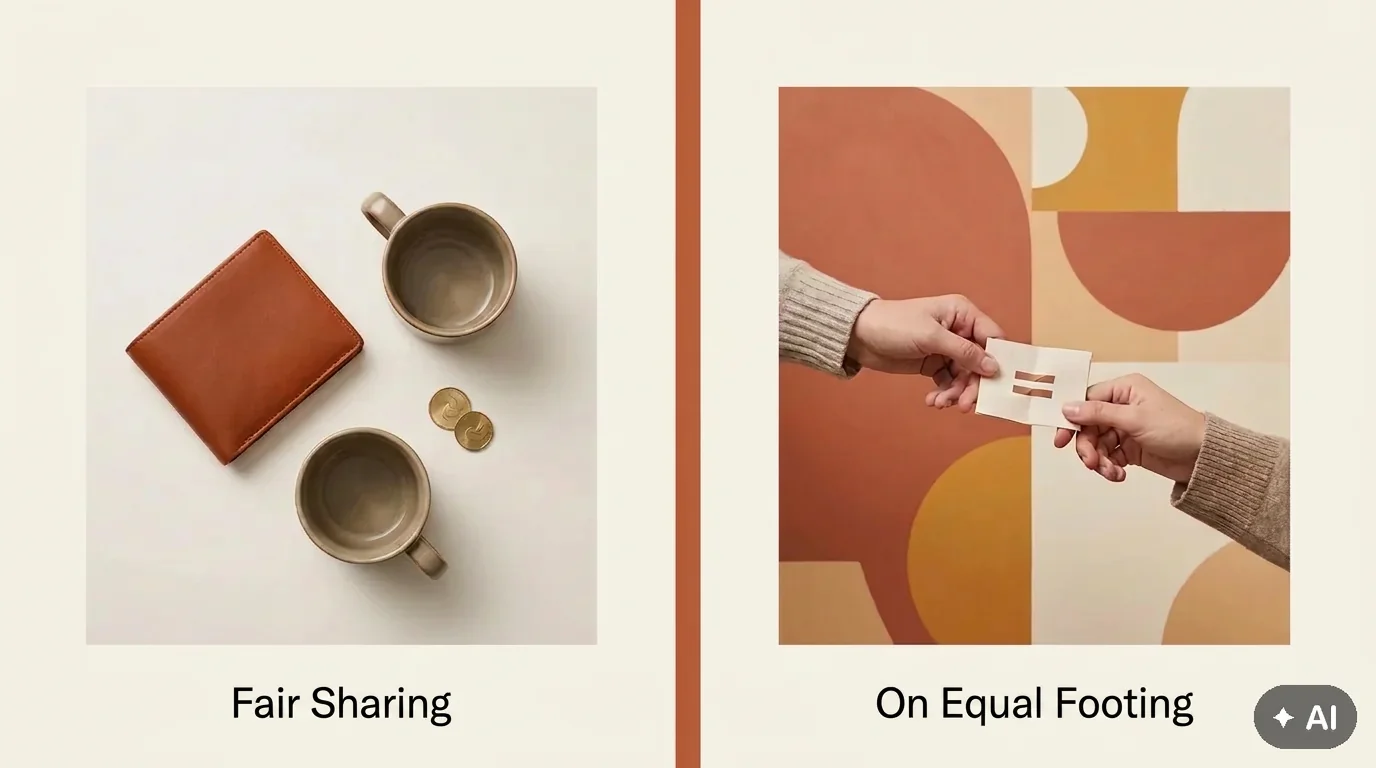
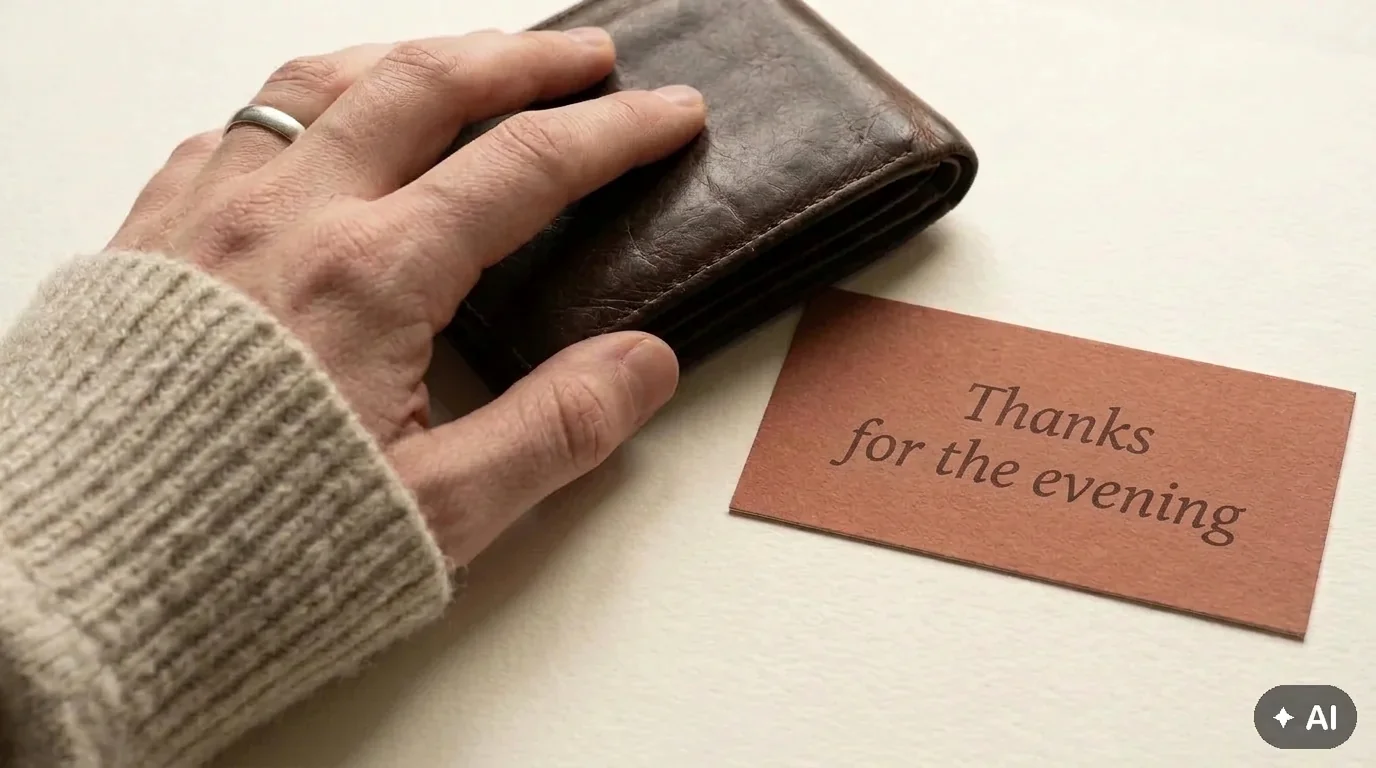
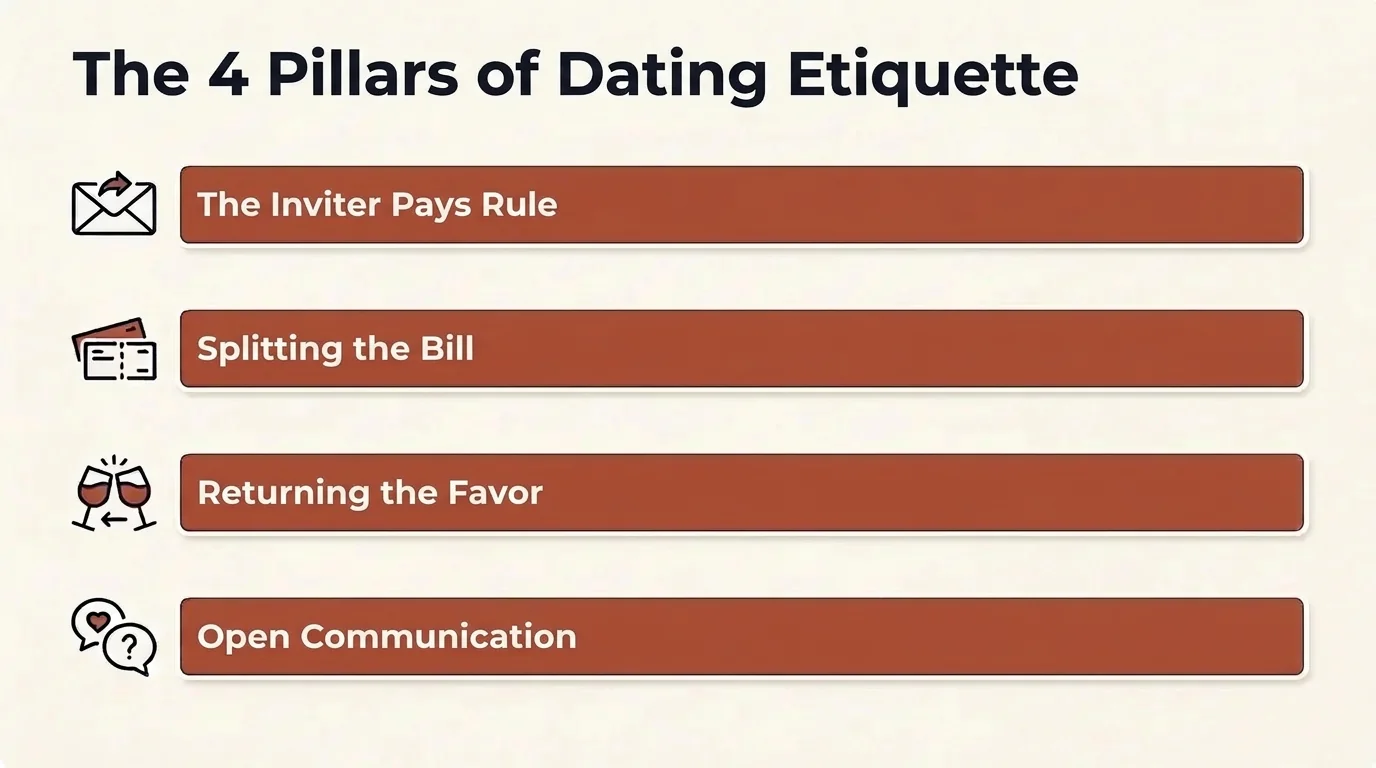 A few small gestures and some clear communication can turn that slightly awkward moment when the bill arrives into a positive experience, setting the tone for dates to come.